
KOICA’s Rwanda Coding Academy project reaches new milestones in developing digital skills and nurturing tech entrepreneurs through comprehensive capacity building programs.
Implementing comprehensive development cooperation programs aligned with Rwanda's national vision and Korea's partnership strategy.
/technical-education.jpeg)
/youth-empowerment.jpeg)
Sustainable Agricultural Productivity and Market Linkage Project supporting 600 hectares of irrigated wetland and 500 hectares of slope cultivation. Supporting farmers' associations with micro-finance loans and management education for improved market accessibility.
Capacity Development for ICT in Education program has trained over 30,271 in-service teachers (95% of secondary teachers). Established 69 smart classrooms with 3,588 laptops and comprehensive curriculum materials for pre-service teacher training.
Enhancement of Electronic Billing Machine System and Development of Taxpayer Relationship Management System. Supporting digital transformation with infrastructure for 700 owner-operators and training for 20,000 EBM users through the MyRRA integrated tax portal.
Since 1991, KOICA has been committed to mutual prosperity, leaving no one behind through inclusive development cooperation.
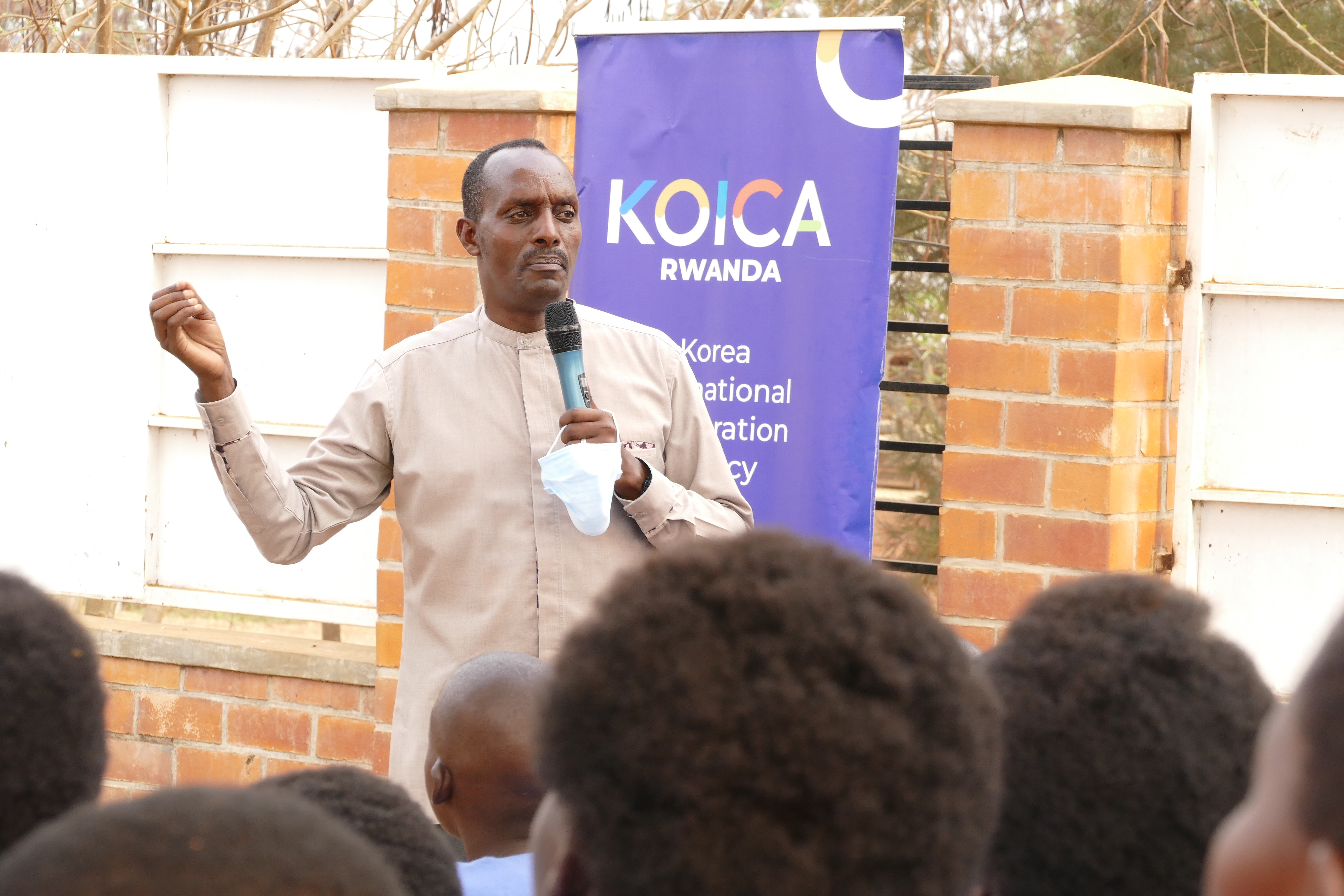
Photos from alumni events and activities
No photos yet. Check back soon!
KOICA's key development initiatives creating sustainable impact across agriculture, education, and ICT sectors.

The CIAT fellowship transformed my professional development. Through advanced training in sustainable agriculture, I was able to implement innovative farming techniques in my district, significantly increasing crop yields and farmer incomes. The knowledge and networks I gained continue to impact our community.
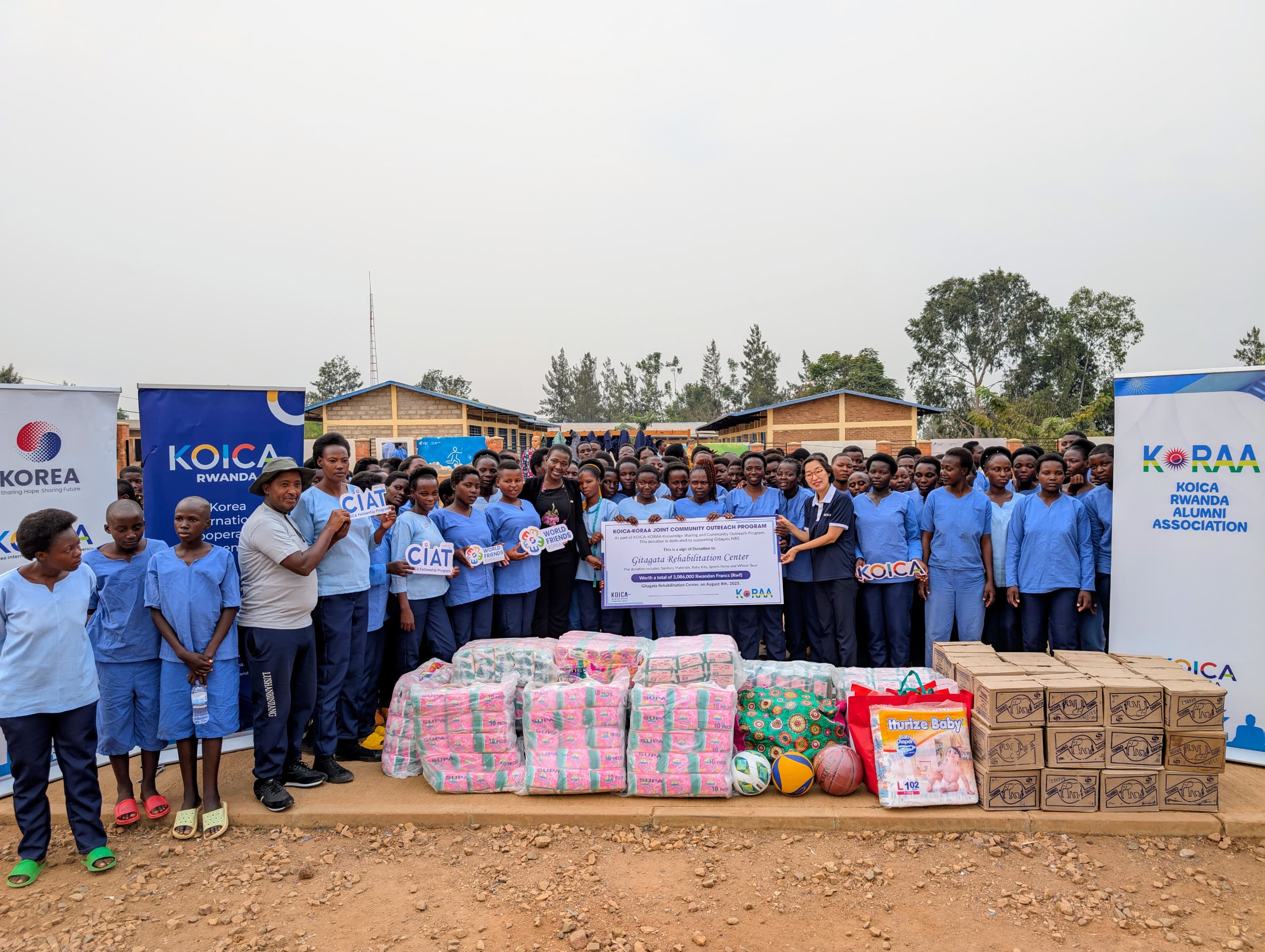
Thanks to the CIAT program, I developed expertise in digital governance systems. I now lead the implementation of Rwanda’s digital tax platform, which has enhanced revenue collection and transparency. The technical skills and Korean experience were invaluable to this national initiative.
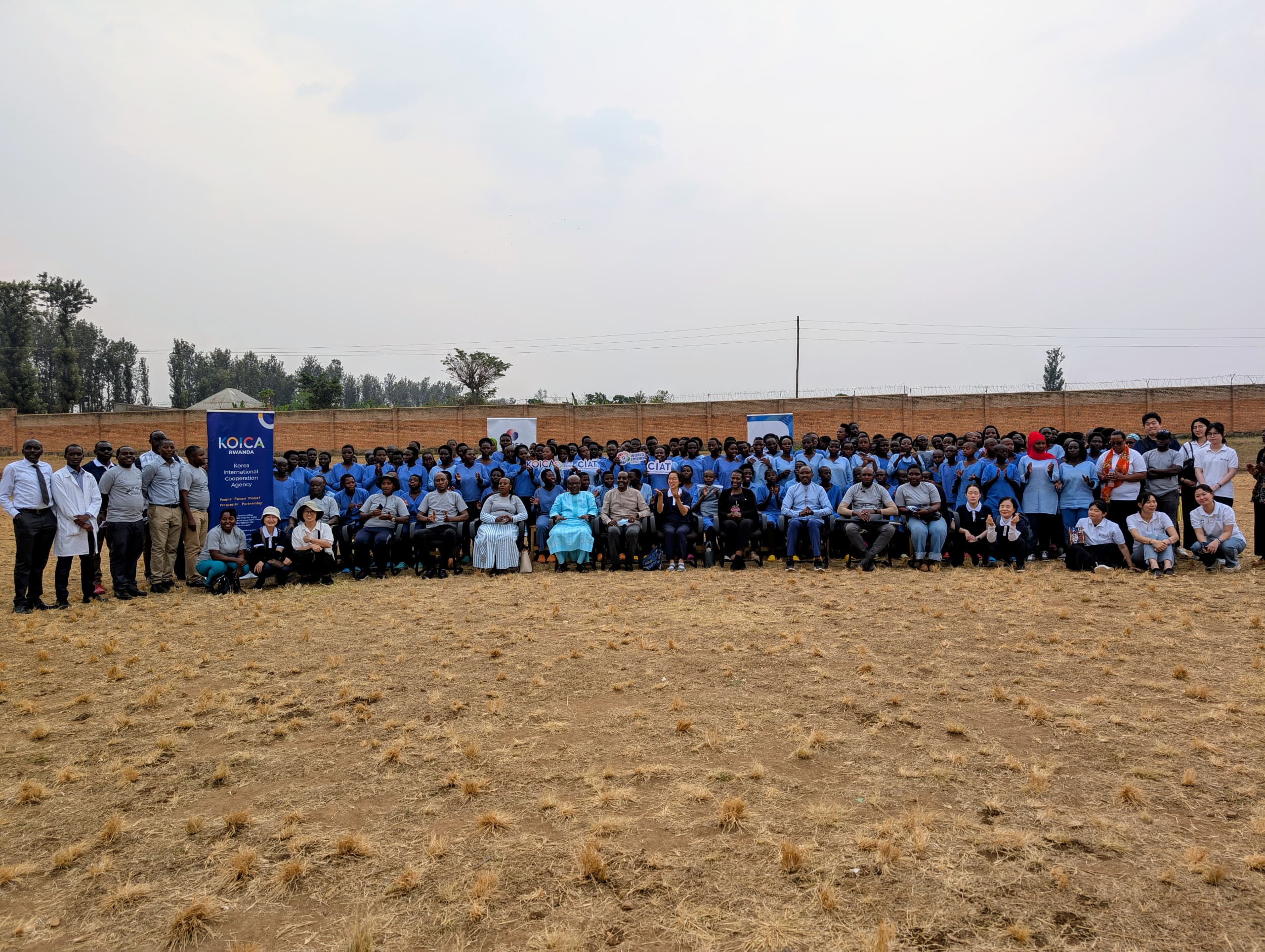
Latest news on KOICA Rwanda's development cooperation initiatives, project milestones, and alumni success stories.
KOICA’s Rwanda Coding Academy project reaches new milestones in developing digital skills and nurturing tech entrepreneurs through comprehensive capacity building programs.
Sustainable Agricultural Productivity project demonstrates significant yield increases through irrigation and market linkage innovations in rural Rwanda.
Over 1,262 Rwandan fellows have benefited from CIAT’s capacity building programs, becoming change leaders in their organizations and communities.
KOICA’s digital transformation initiatives improve government service delivery and transparency through advanced ICT systems and infrastructure development.